
Giving you new exciting places, new people and ofcourse a hell lot of questions! Especially when you’re moving the land from Bahrain to Germany; this is achieved a lot easier if you make the international move in advance. You have to take care of everything, be it packing home goods or custom clearance.
Germany is the land of opportunity for your professionals, students, entrepreneurs and families. But the move to cities like Berlin, Frankfurt or Munich and Hamburg is not as easy as just travelling there.
Therefore, hiring reliable interpreters and movers in Bahrain and understanding what shipping involves and the necessary documents will save you from a lot of issues. This is your guide to everything you need to know when relocating from Bahrain to Germany.
Why Are People Relocating from Bahrain to Germany?
Germany is a nation that offers excellent job opportunities, top ranked universities, and a very good public transport network while being many steps ahead in terms of technological advancement. The country also has a great health care system and is close to more European cities.
Some common reasons for relocation from Bahrain to Germany include:
- Employment opportunities in engineering, healthcare, IT, and manufacturing.
- Higher education and professional training.
- Family reunification and permanent relocation.
- Business expansion and international assignments.
- Lifestyle changes and long-term career development.
Step-by-Step Guide to Moving from Bahrain to Germany
1. Start Planning Your International Move Early
As an ideal case scenario, you will want to prepare for your moving at least 6-8 weeks in advance of when you are looking to move.
Firstly, you need to take the following by writing down a list of what items you would make to take with you. Create a checklist and check what you can sell, donate or simply leave behind from here.
Early preparation helps you compare quotations, schedule documentation, and save on last-minute expenses. Get details on Office Relocation Services in Bahrain.
2. Choose the Right International Shipping Method
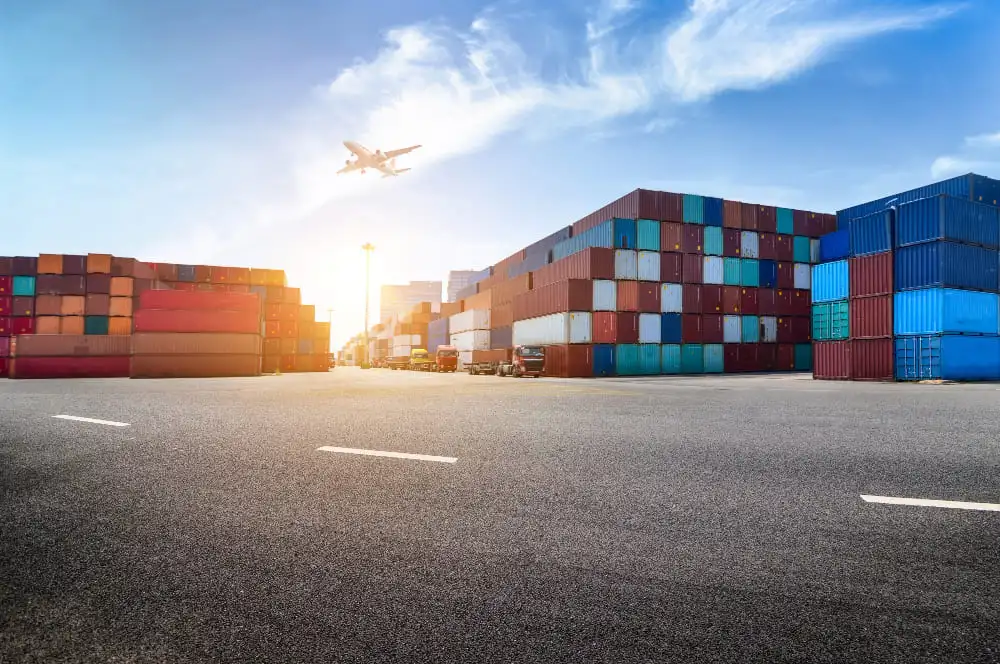
Based on your budget, size of shipment and time sensitivity, you can choose between ocean transport or air freight when shipping household goods from Bahrain to Germany.
Shipping method
Suitable for
Main advantage
Consideration
FCL sea freight
Complete household relocation
Dedicated container
Higher commitment for small shipments
LCL sea freight
Small apartments and personal belongings
Shared container costs
Additional consolidation handling
Air freight
Essential personal items
Faster transportation
Higher cost per kilogram
Excess baggage
Clothes and immediate essentials
Travels with passenger
Airline weight restrictions
Sea freight is frequently the mode of transportation for families moving their household items, including furniture, kitchen appliances and other household equipment. On the other hand, people taking little baggage can consider air freight.
So, choosing the right mode of transport can have a huge impact on your moving cost.
Sea Freight Shipping from Bahrain to Germany
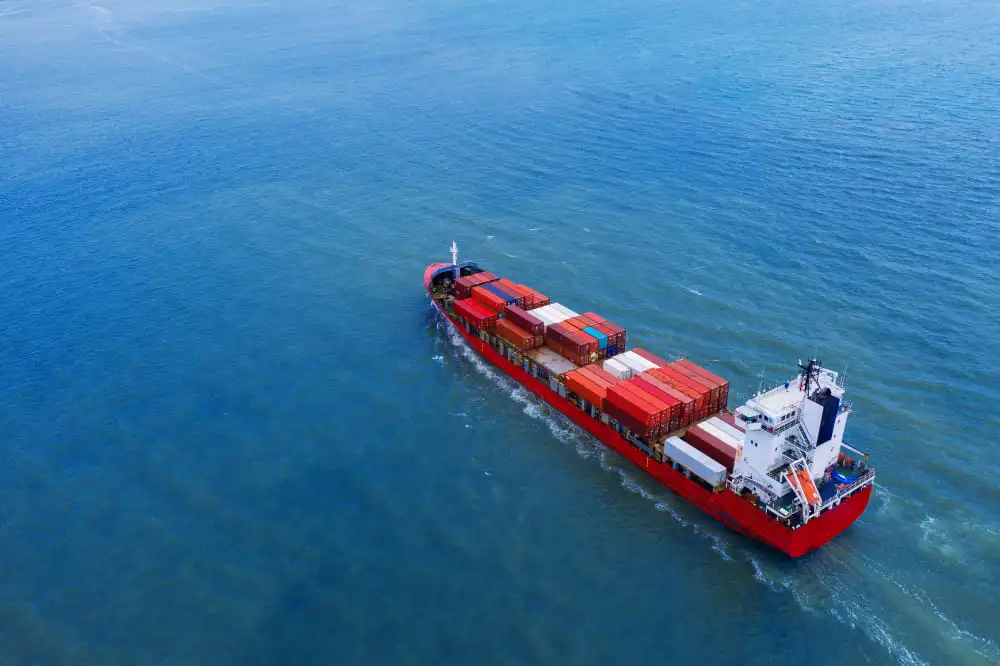
Sea freight is still a viable option for International household moving from Bahrain to Germany, including large volumes.
Household cargo can now be shipped out of Khalifa Bin Salman Port in Bahrain, possibly routed via German ports such as Hamburg or Bremerhaven en route for Europe depending on shipping terms.
FCL vs LCL Container Shipping
Full Container Load (FCL) provides dedicated container space, making it suitable for larger households.
On the other hand, Less than Container Load (LCL) allows customers to share container space and pay according to their shipment volume and applicable charges.
Container option
Approximate capacity
Recommended use
20-foot container
33 m³ gross internal volume
Medium-sized household
40-foot container
67 m³ gross internal volume
Large family relocation
40-foot high-cube
76 m³ gross internal volume
Bulky household furniture
LCL shipment
Charged by volume/weight rules
Small household shipments
Note: Capacities are approximate internal container volumes, not guaranteed usable packing space. Actual loading depends on packaging, weight restrictions, and container specifications. Looking for a International Relocation Company in Bahrain.
Documents Required for Moving from Bahrain to Germany
Proper documentation plays an important role in Germany customs clearance for household goods.
Before shipping, prepare the following documents:
Document
Purpose
Passport copy
Confirms the shipper’s identity
German visa or residence documentation
Supports immigration and residency arrangements
Detailed packing list
Identifies shipped household goods
Shipping bill of lading or air waybill
Confirms cargo transportation
Proof of previous Bahrain residence
Supports relocation eligibility
German address or accommodation evidence
Confirms intended destination
Customs declaration Form 0350
Supports household goods customs clearance
Insurance documentation
Supports protection and claims
German customs may request additional supporting evidence depending on your circumstances.
German Customs Rules for Household Goods
Another benefit you get from your international move is duty-free household goods import into Germany.
Individuals relocating from outside the European Union may be entitled to exemptions from customs duties and import VAT on their qualifying personal effects in accordance with conditions that will apply.
Thus, you must regard residency outside the EU for 12 months or more and personally use most home goods you bring into Ireland for a minimum of six months. You may have also been trained that goods usually must enter within a year of moving, and laws restrict their transfer to other people after importation.
However, there may be different rules for recent purchases and commercial goods, as well as alcohol and other products. So always check whether it is permissible to propagate restricted or expensive items before packing things. Get details on Corporate Office Relocation in Bahrain.
Professional Packing for International Relocation
Packaging is responsible for the safe delivery of your goods during packing, transportation and finally to their delivery location.
For instance, items such as wooden furniture require some protection coverings while fragile decorations need cushioning and strong cartons.
International packing and moving services in Bahrain professional furniture dismantling, carton labelling, fragile-item packing and shipment inventory preparation.
Also label the boxes as per their destination rooms. This made unpacking so much easier once we arrived in Germany!
How Much Does Moving from Bahrain to Germany Cost?
However, the price you pay for moving from Bahrain to Germany is not a one-time charge for shipping.
Some examples are: shipment volume, freight type, packing specifications, delivery location, customs clearance, insurance and storage.
For example, the cost to move some boxes will be much less than moving an entire three-bedroom furnished apartment.
In the same way, the other workplace services such as staircase delivery, assembly of furniture or hard property access also increase to price of the final quotation.
So when you ask for a price quote to move, make sure it has a detailed plan of what is included and any offer services that may be at an extra cost.
Related Services:
» Warehouse Relocation Services in Bahrain
» International Moving Company in Bahrain
» International Relocation Company in Dubai
» Relocation from Bahrain to UK
» Business Relocation Services in Riffa
International Moving Timeline
Time before moving
Recommended action
8 weeks
Compare movers and prepare inventory
6 weeks
Confirm shipping method and documentation
4 weeks
Sort belongings and arrange packing
2 weeks
Finalise shipment paperwork
Moving week
Complete packing, collection, and handover
After arrival
Coordinate customs clearance and delivery
These are suggested planning milestones, not guaranteed freight transit times.
Settling into Germany After Your Move
When you get there, make the focus of accommodation, healthcare arrangements, banking and local registration.
In Germany, people are generally required to register their new address-anmldung- within two weeks of moving into a residence.
In the meantime, please communicate with your moving company regarding customs clearance and final delivery.
Additionally check furniture and boxes on receipt of delivery and report any damage in line with your insurance policy and the paperwork from delivery.
Related Articles:
» Bahrain to UAE Relocation: Complete Moving Guide
» Removals and Relocation in Bahrain: Moving Checklist for Families
» Office Relocation Checklist for Companies in Bahrain
» Corporate Relocation Support in Bahrain
» Overseas Relocation Without the Usual Moving Stress
Choose Accurate wll for Bahrain to Germany Relocation Support
Organising an international move is easier when professionals help with the logistics.
Accurate wll can be a one stop destination for you to reach out to and plan the shipping of household goods from Bahrain as well as Germany, discuss your requirements and get a customized moving quote.
So if you are moving alone or preparing for a family move, efficient communication, organised packing and realistic delivery planning make all the difference.
Planning your move to Germany? Reach a Accurate wll for your international relocation needs and get an estimation
FAQs: Moving from Bahrain to Germany
If you are planning a move abroad to Germany from Bahrain, then Accurate wll is an option for contact. You can talk about household shipment size, packing needs, available freight techniques and quotation details.
Depending on routing, transshipment, customs clearance and inland transportation, this can take several weeks for sea freight & delivery to the destination. In most cases, this means that air freight is faster.
Yes. You are usually able to ship second-hand or used furniture items for home such as beds, sofas, dining tables and wardrobes however it depends on the customs regulations and restrictions that apply to your shipping.
Contact Accurate wll to get a quote for your Bahrain to Germany move. Provide details on inventory, destination and packing requirements and shipping method you want to use for evaluation.
Sea freight is generally cheaper for larger quantities. By contrast, air can be ideal for smaller shipments that need expedited transport.
Typical documents involve passport duplicate, packing record, transport note, evidence of move and any customs declarations which apply Additional records may be necessary.
You can contact an accurate wll in order to discuss the requirements relating to family relocation such as the volume of shipments, furniture and packing preferences, logistics and other arrangements.
Relief on customs duty and import VAT is only granted for used household goods, provided that the German relocation conditions are met. Restrictions and supporting documentation apply.
Yes, but this is subject to customs safeguards and safety rules that may apply. However, debrief on voltage and plug compatibility; request the condition of your appliance that allows you to transport restrictions through shipping.
Standard mover liability purposely avoids full replacement value of lost or damaged goods so if you have valuable items in your household shipment, I strongly recommend purchasing marine cargo insurance.
Depending on the moving service you book, we may offer door-to-door delivery. Confirm separate charges for unloading, unpacking, clearing customs and final delivery at the destination before booking.
Get in touch with Accurate wll to get a quote by providing your Bahrain collection point, German delivery address, estimated goods list, desired date of moving & other service needs.